
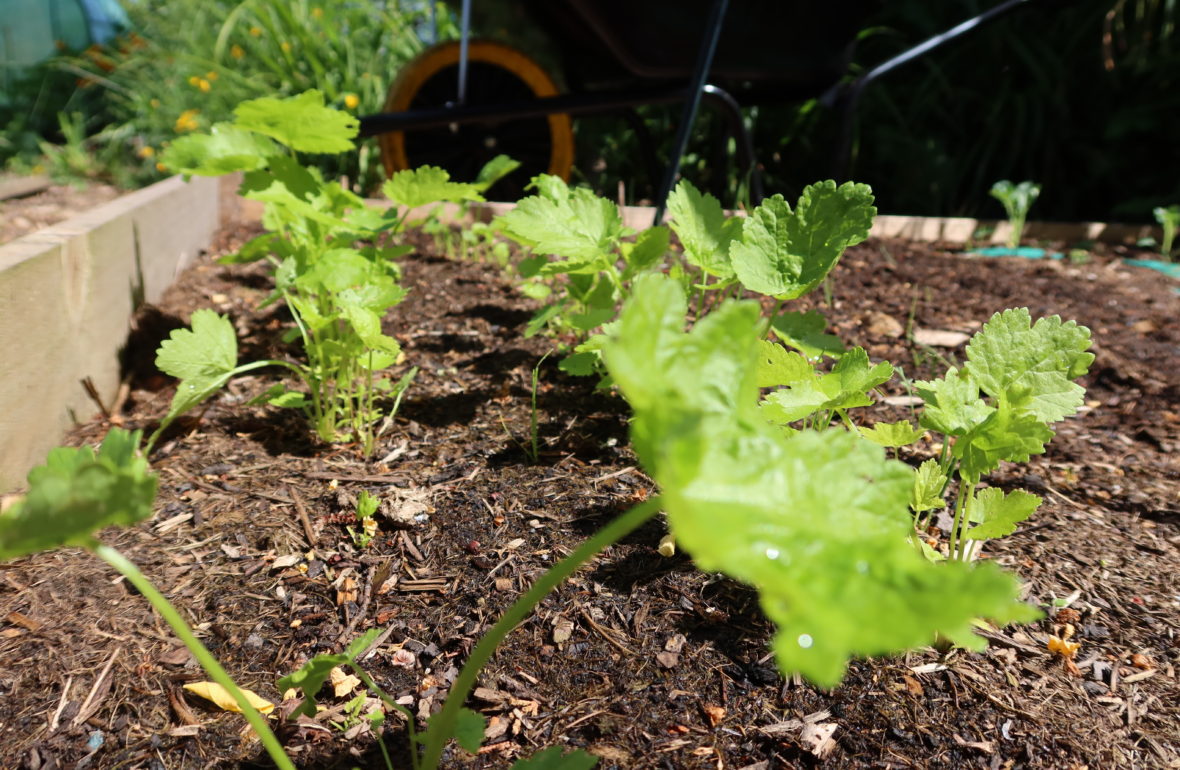
Succession sowing is the ultimate trick to maximising an allotment plot. By staggering small seed batches every 2 to 3 weeks, you avoid giant gluts and ensure a steady, manageable harvest from spring through to late autumn.
Succession sowing doesn’t have to be complicated. It does however, take a little bit of organisation and planning and a whole lot of practice to get right! Once you do, succession sowing can be an incredible way of prolonging your harvests and ensuring you never run out of fresh food to pick!
Here is how you can transform your allotment with succession sowing:
1. Staggered Sowings (The ‘Little and Often’ Method)
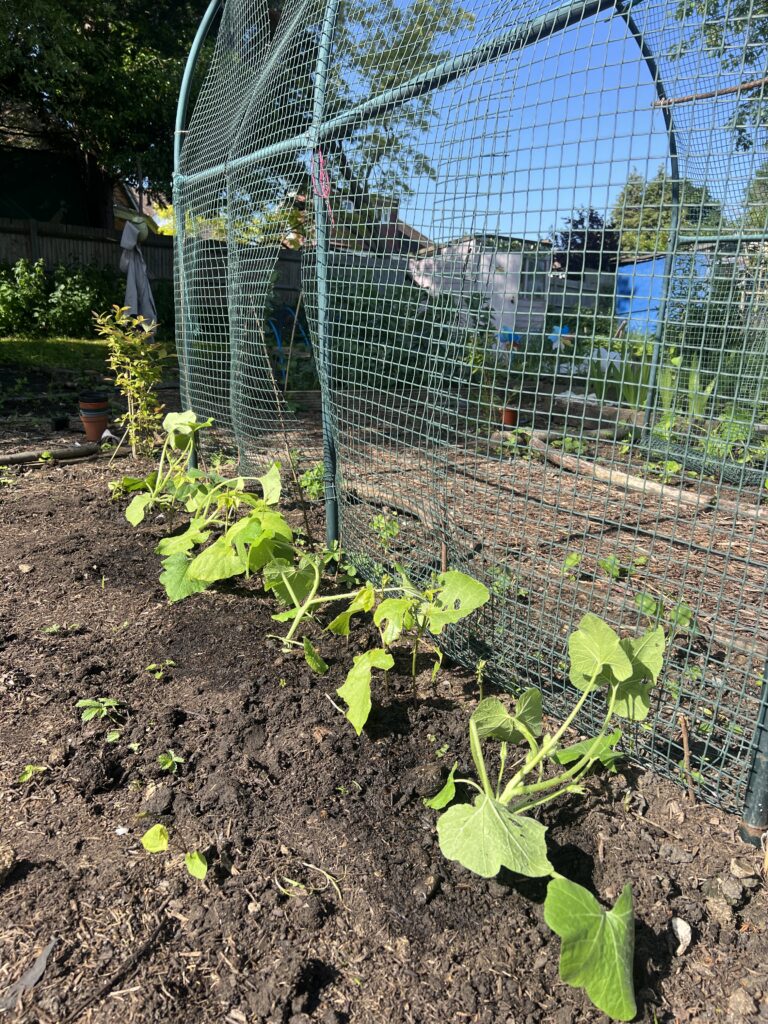
Instead of sowing a whole packet of seeds at once, sow just a small pinch every 2 to 3 weeks.
- Salad leaves: Sow “cut-and-come-again” varieties like lettuce, rocket, and spinach for a constant supply.
- Roots: Stagger fast-maturing crops like radishes and carrots so they don’t all mature at once.
2. Follow-on Crops (Crop Rotation & Relay)
Once an early-maturing crop has been harvested, immediately sow or plant a fresh crop in the exact same spot.
- After early potatoes are lifted in mid-summer, the soil is perfect for planting brassicas like kale or fast-maturing winter cabbage.
- Follow early peas with dwarf French beans to utilise the cleared space and nitrogen-rich soil.

3. Change Varieties
To stretch your harvest window even further, use early-, mid-, and late-season varieties of the same vegetable. For example, early-maturing carrots can be sown first, followed by maincrop varieties that can handle colder autumn weather.
4. Key Allotment Tips for Success
- Plan ahead: Check the “days to maturity” on your seed packets to map out when a bed will become free and what should go into it next.
- Raise seedlings at home: Start seeds in modular trays a few weeks before your current crop finishes so they are ready to plant as plug plants the moment the ground is cleared.
- Maintain soil fertility: Heavy cropping takes a lot of nutrients out of the ground. Replenish the soil between successions by digging in well-rotted garden compost or manure.